
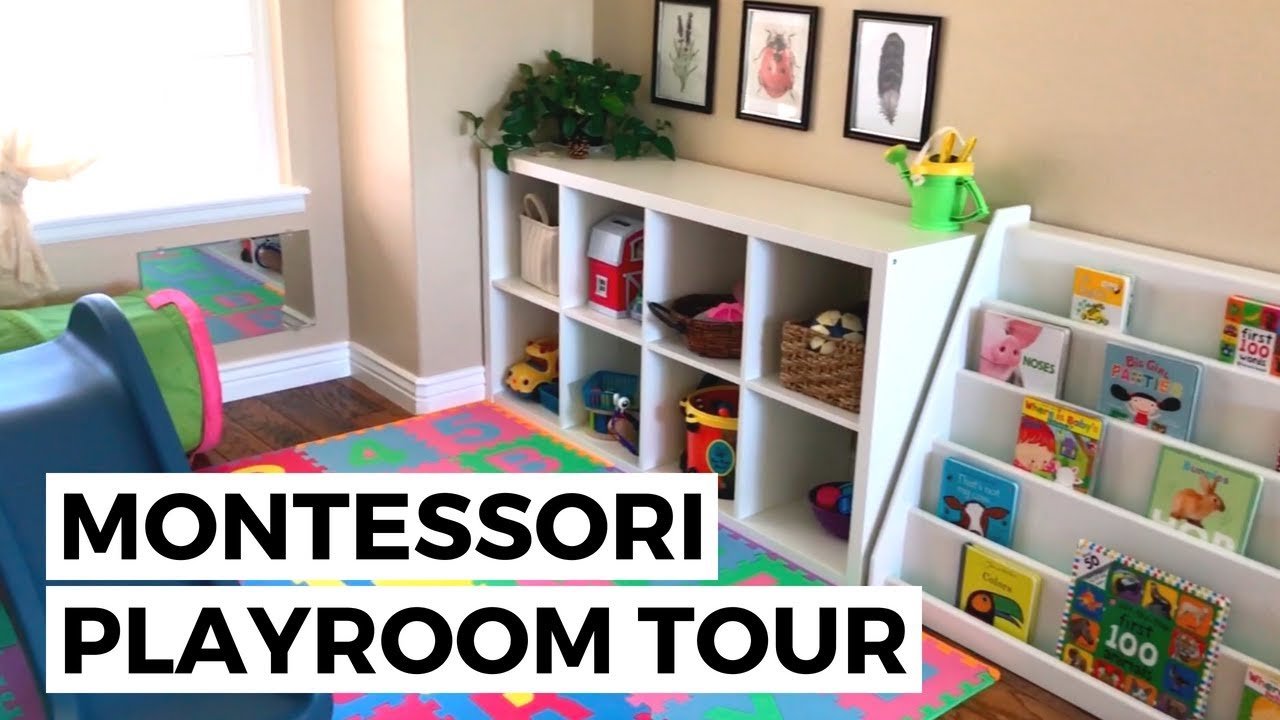
You are in for a treat with this update on Ashley’s Montessori playroom tour featuring her 16-month-old daughter, Kylie! You’ll get an exclusive peek into the design and organization of Kylie’s playroom as she transitions into full-fledged toddlerhood. Be sure to stick around until the end of the video to catch a glimpse of Kylie in action – it’s simply too adorable to miss!
Ashley’s previous tours at 7 and 11 months old set the stage for this latest update, showcasing the evolution of Kylie’s Montessori playroom. Discover the thoughtfully selected Montessori toys and accessories that are essential for creating a nurturing environment for your little one. Join Ashley as she shares her tips and insights on creating a harmonious play space that fosters creativity and independence for toddlers.
Overview of Montessori Playroom Tour Update
Ashley’s 16 Month Old Daughter in Action
In the latest update of the Montessori playroom tour, Ashley showcases her 16-month-old daughter, Kylie, in action. This provides a unique glimpse into how a toddler interacts with a Montessori-inspired environment and the benefits it brings to their development.
Design and Organization of Kylie’s Playroom
The playroom designed for Kylie follows the principles of Montessori education, emphasizing independence, exploration, and a focus on natural materials. The organization of the space is carefully thought out to create inviting learning areas that foster growth and engagement.
Changes Since Last Update
Difference in Playroom setup from 11 months old to 16 months old
As Kylie has grown from 11 months to 16 months old, the playroom setup has evolved to accommodate her changing needs and interests. New activities and toys have been introduced to keep her engaged and promote further development.
New Montessori Toys and Activities
To support Kylie’s development and provide her with stimulating experiences, new Montessori toys and activities have been added to the playroom. These additions align with the Montessori philosophy of hands-on learning and exploration.
Principles of Montessori in Playroom Design
Focus on Independence and Exploration
The design of Kylie’s playroom prioritizes independence and exploration, allowing her to make choices and learn through hands-on experiences. This approach fosters a sense of autonomy and confidence in her abilities.
Presence of Natural Materials and Stimulating Objects
Natural materials and stimulating objects play a crucial role in the playroom design, providing Kylie with sensory-rich experiences that engage her senses and encourage exploration. These elements enhance her learning and promote a deeper connection with the environment.
Practical Tips for Montessori Playroom
Rotating Toys to Maintain Engagement
One practical tip for maintaining engagement in a Montessori playroom is to rotate toys regularly. By introducing new toys and activities while keeping others out of sight, children like Kylie can stay interested and challenged in their play.
Creating Inviting Learning Spaces
Creating inviting learning spaces in the playroom involves arranging furniture and materials in a way that encourages exploration and discovery. By creating distinct areas for different activities, such as reading or sensory play, children are more likely to engage with their surroundings.
Interactive Areas in Kylie’s Playroom
Reading Nook
The reading nook in Kylie’s playroom offers a cozy and comfortable space for her to explore books and develop a love for reading. By incorporating a variety of age-appropriate books, this area promotes literacy and early learning skills.
Art Corner
The art corner is a creative space where Kylie can express herself through various art activities. Providing her with access to different art supplies and materials encourages creativity and allows her to explore different forms of artistic expression.
Sensory Play Area
The sensory play area in Kylie’s playroom is designed to engage her senses and promote sensory exploration. By including items such as textures, scents, and colors, this area stimulates her sensory development and provides a hands-on learning experience.
Favorite Montessori Toys for a 16 Month Old
Wooden Shape Sorter
A wooden shape sorter is a classic Montessori toy that helps develop hand-eye coordination and fine motor skills. By manipulating the different shapes and slots, Kylie can practice problem-solving and cognitive skills.
Stacking Rings
Stacking rings are another popular Montessori toy that promotes hand-eye coordination and fine motor skills. By stacking the rings in the correct order, Kylie can enhance her spatial awareness and cognitive abilities.
Montessori Object Permanence Box
An object permanence box is a Montessori toy that teaches young children about object permanence and cause and effect. By placing objects in the box and then revealing them, Kylie can learn important concepts about the physical world.
Benefits of Montessori Playroom for Development
Enhanced Fine Motor Skills
By engaging with Montessori toys and activities that focus on hands-on exploration and manipulation, Kylie can enhance her fine motor skills. These skills are crucial for tasks such as writing, dressing, and other daily activities.
Encouraging Creativity and Problem-Solving
The Montessori playroom environment fosters creativity and problem-solving skills in children like Kylie. By providing open-ended materials and activities, she can explore different solutions to challenges and develop her critical thinking abilities.
Parenting in Montessori Playroom
Encouraging Independence
Parenting in a Montessori playroom involves encouraging independence and autonomy in children. By allowing Kylie to make choices, take risks, and learn from her experiences, parents support her development and growth.
Establishing Routines
Establishing routines in the Montessori playroom helps children like Kylie feel secure and confident in their environment. By providing structure and predictability, parents can create a sense of stability and consistency for their child.
Conclusion on Montessori Playroom Tour Update
Reflecting on the Growth and Engagement of 16 Month Old in a Montessori Environment
In conclusion, the Montessori playroom tour update showcases the growth and engagement of a 16-month-old child like Kylie in a Montessori environment. By applying the principles of Montessori education in the design and organization of the playroom, Kylie is able to thrive, develop essential skills, and explore the world around her in a meaningful way. The playroom serves as a dynamic and enriching space for her to learn, play, and grow, reflecting the benefits of a Montessori-inspired approach to early childhood education and development.